Fredosor
  • Home
  • The Universal Ego
    • Nature's call - on hold
    • Narcissus unbound
    • Freedom and social interaction >
      • Breaking the Chains
      • Solitary Navigation in Space
    • Human capital
    • The dream of enlightenment
    • The blinding light of modernity
    • Unleashing our little helpers
    • Vanishing borders
    • Foundations of ideology
    • Francis Bacon's idols
    • Tao's four desires
    • The four ends
    • Keys to life >
      • The Global Soul
    • The magnificent four
    • The Etruscans
  • Cultures
    • Culture - spatial starting point
    • Culture - timeline starting point
    • Culture - activity starting point
  • Lights
    • The Universal Masters of Thinking >
      • The Philosophy of Antiquity
      • Philosophy of the Middle Ages
      • Philosophy of the 1500s
      • Philosophy of the 1600s
      • Philosophy of the 1700s
      • Philosophy of the 1800s
      • Philosophy of the 1900s
    • Joseph Campbell >
      • Primitive myth - images and imprints
      • Primitive Hunters: Paleolithic
      • Primitive Hunters: Shamanism
      • Primitive myth - planters
      • Occidental Mythology >
        • The Serpent' Bride
        • The Consort of the Bull
        • Heroes of the Levant
        • Heroes of the West
        • The Persian period
        • Hellenism
        • Great Rome
        • Cross and Crescent
        • Europe Resurgent
      • Four great domains
      • The Cities of God
      • The Cities of Men
      • Ancient India
      • Buddhist India
      • The Indian Golden Age
      • Chinese Mythology
      • Japanese Mythology
    • Marcel Proust
    • Bourdieu
    • Carl G. Jung
    • Dante
    • Montaigne's Essays >
      • Montaigne's Essays; Book I
      • Montaigne's Essays; Book 2
      • Montaigne's Essays; Book 3
    • Seneca
    • Gaston Bachelard - The Present
  • Imagination
    • Erasmus' Folly
    • Cerebral challenges
  • Fundamentals
    • Demography
    • The global environment
    • Social cohesion >
      • Social cohesion: freedom and equality
      • Social cohesion: welfare state
      • Social cohesion: minimax
  • Places
    • Random walks
    • Akershus
    • Amboise
    • Azay-le-Rideau
    • Blenheim Palace
    • Blois
    • Bussy-Rabutin
    • Chambord
    • Chaumont
    • Chenonceau
    • Fontainebleau
    • Neuschwanstein
    • Palacio da Pena
    • Chateau de Saumur
    • Source-Coquille
    • Vaux le Vicomte
  • Blog
Picture
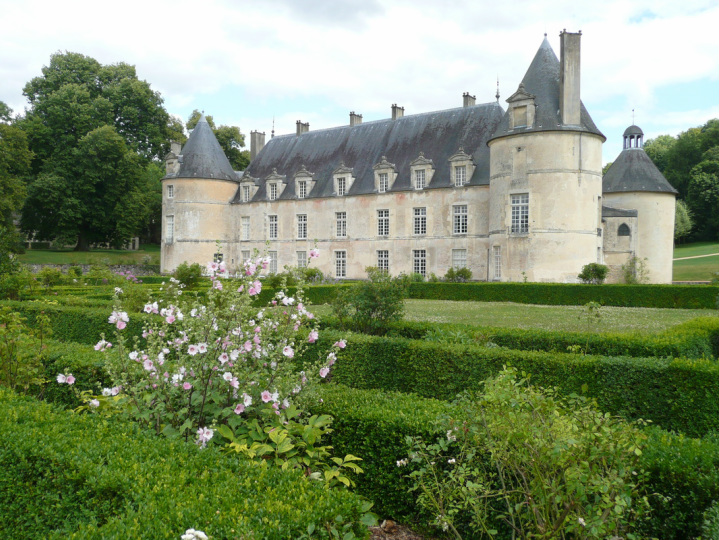
Château de Bussy-Rabutin. Fredosor.com

Château de Bussy-Rabutin
Picture
Fredosor.com


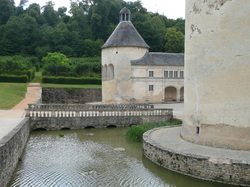
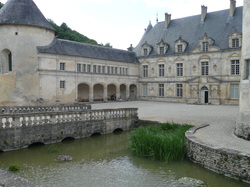
The Rabutin family bought the property in 1602 and completed the construction of the castle in 1649. Roger, Count of Bussy (1618 - 1693) and cousin of the famous Marquise de Sévigné, inherited it at a time when all of the decorations remained to be done. Roger was exiled from Paris by King Louis XIV, and consequently has all his time to attend to the improvements of the edifice.
Picture
Fredosor.com

The Count Bussy-Rabutin had been forced into exile as a result of manipulations by a jealous mistress. Bussy-Rabutin was a vain man and enjoyed making fun of the nobility's social life in Paris. He wrote a book with anecdotes from this social life, and his witty tongue often slipped at the expense of other people. He told the former mistress about the writing of the book, and she asked to see the draft. He stupidly allowed her to see it, and before he knew it she had copied it, added vicious chapters about people close to the king - and published it all in the name of Bussy-Rabutin. The book made a scandal, the king was furious, and Bussy-Rabutin was confined to his castle.
Picture
Fredosor.com
Proudly powered by Weebly